
WOODEN POOL HOUSE CLADDING REFURBISHMENT
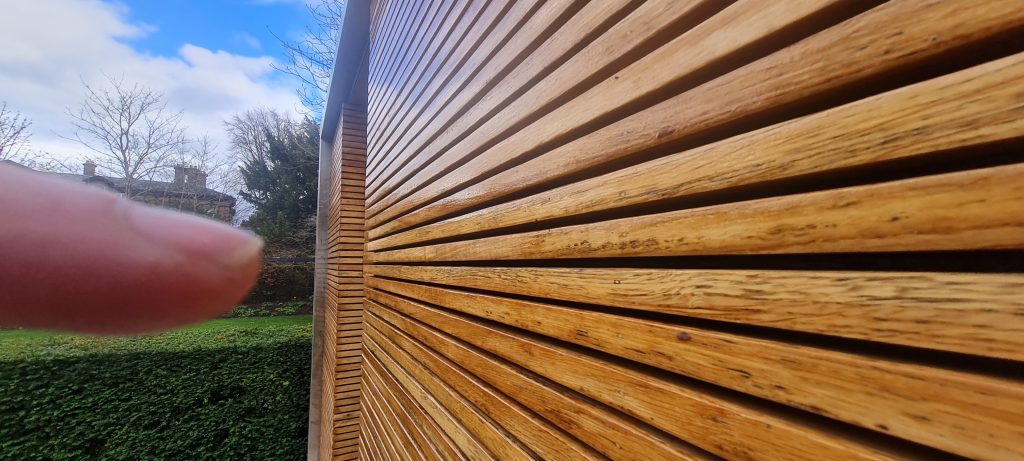
Before & After Pics
š§ wooden pool house cladding refurbishment š§
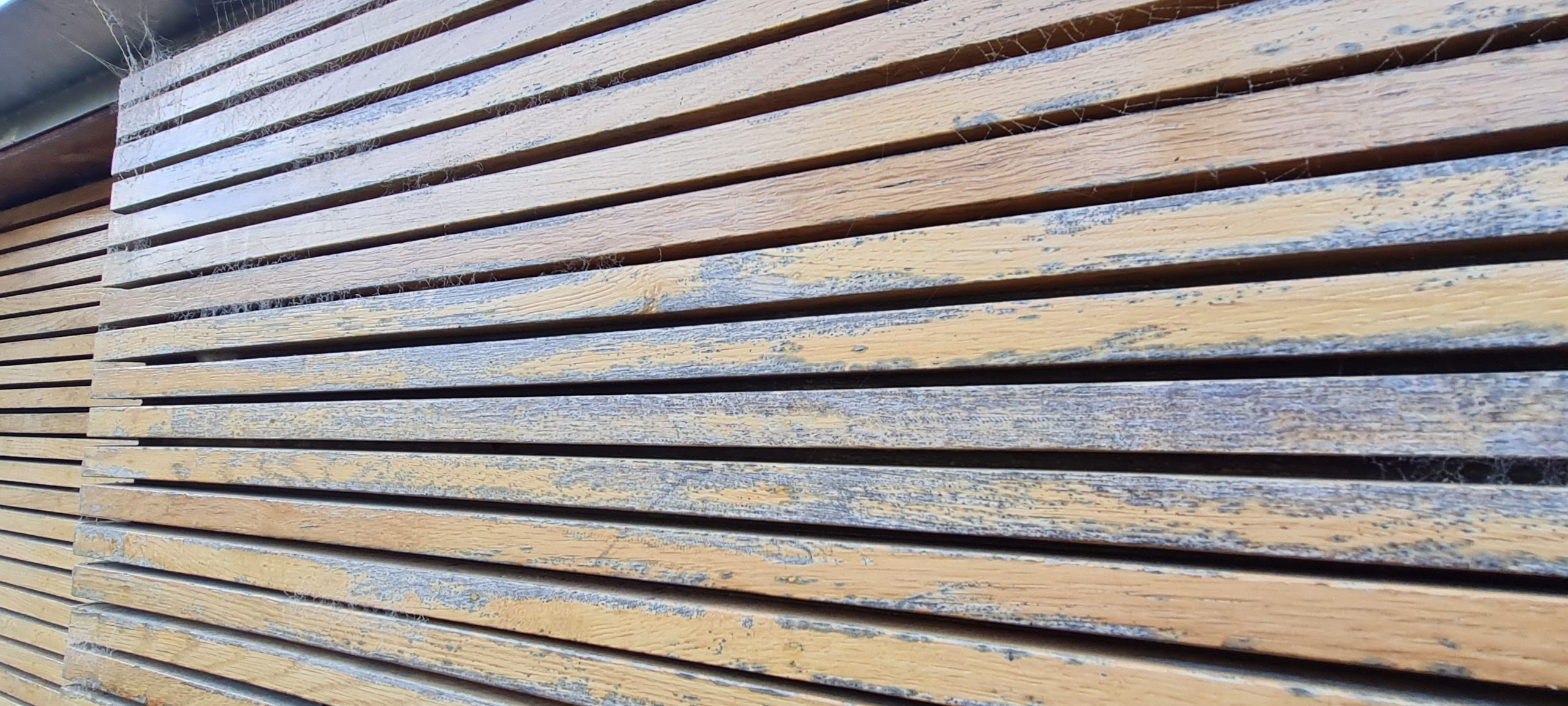
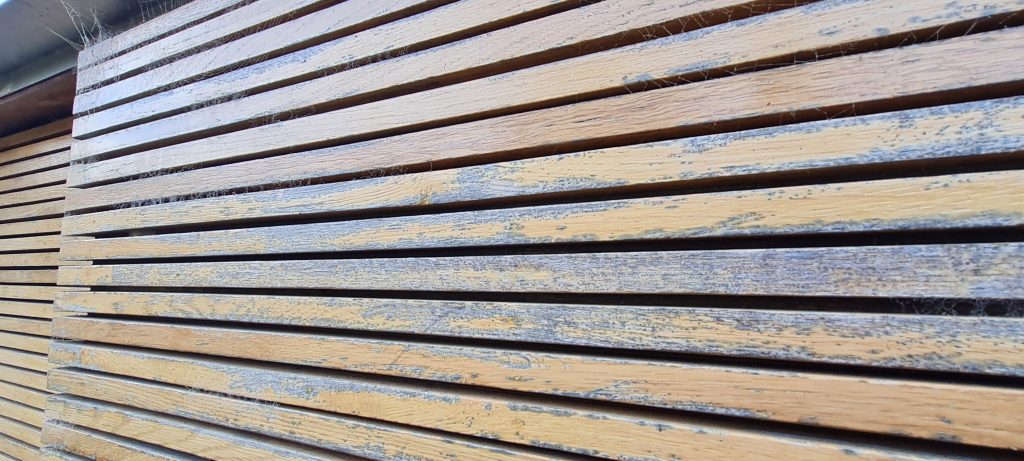
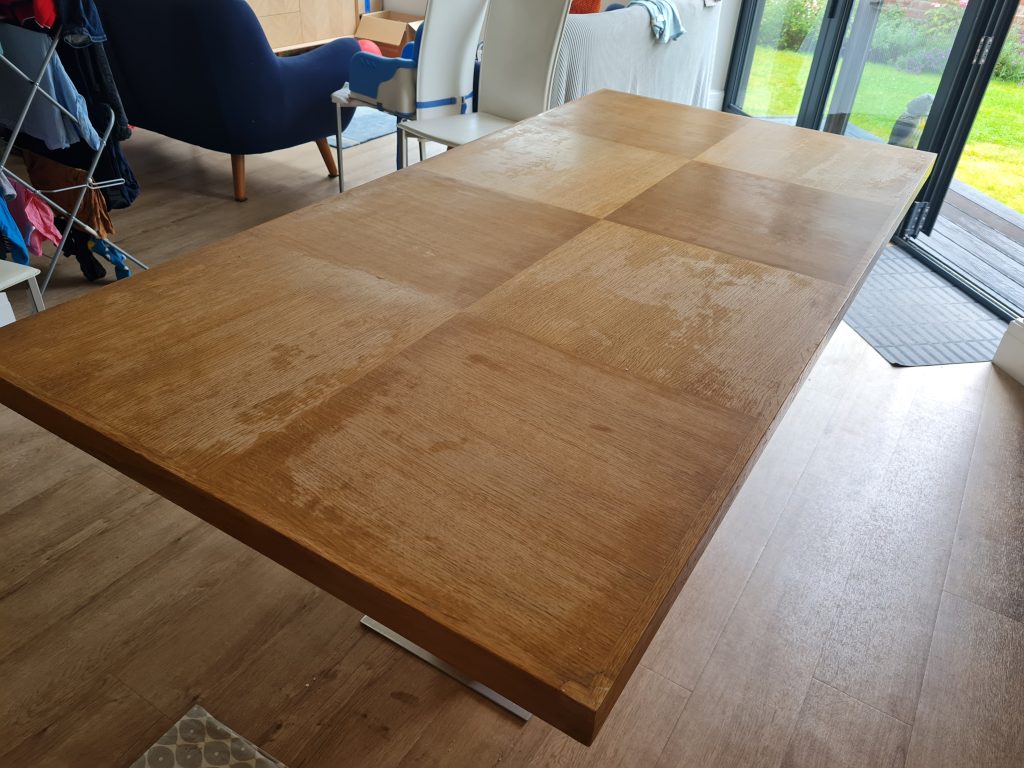
Refurbishing Wooden Pool House Cladding: Bringing Weathered Timber Back to Life Wooden cladding looks incredible around a pool houseāwarm, natural, and modern. But as the seasons roll by, sun, rain, and temperature swings start to take their toll. If your cladding is looking a bit like the photo aboveādry, greyed out, patchy, and tiredādonāt worry. In most cases, it doesnāt need replacing. It needs a proper refurbishment. Hereās a practical, step-by-step guide to restoring timber cladding so it looks sharp again and stays protected for years. What the photo is telling us From the picture, the boards show classic signs of exterior weathering: Greying and fading from UV exposure Patchy surface breakdown where old finish has worn unevenly Dry timber grain thatās starting to look rough and thirsty Cobwebs and debris trapped between slats (very common with horizontal cladding) The good news: this is exactly the sort of cladding that responds well to cleaning, prep, and re-finishing.
Reasons for Tiber cladding weathering
āļø UV sunlight
Breaks down lignin in the wood (the āglueā holding fibres together)
Causes greying, fading, and a dry, rough surface
š§ Rain & moisture cycling
Wood absorbs and releases moisture repeatedly
Leads to swelling/shrinking, surface checking (fine cracks), and raised grain
āļø Freezeāthaw
If water gets into the grain and freezes, it expands
Can worsen cracking and split vulnerable boards
š¬ Wind-driven dirt and abrasion
Wind carries grit and debris that slowly abrades the surface
Makes cladding look dull and uneven
š Algae, mould, and mildew
Shaded or damp areas promote growth
Causes green/black staining and slippery surfaces
š§ Salt exposure (coastal areas)
Salt-laden air speeds up finish breakdown and moisture issues
š§“ Finish failure or lack of treatment
Stains/oils/paints degrade over time
Once protection fails, weathering accelerates quickly
š§ Poor detailing or installation
No gaps for expansion, poor airflow behind boards, incorrect fixings
Traps moisture and speeds up decay and staining
š³ Natural wood characteristics
Some species are less durable outdoors
Boards with more knots/sapwood can weather unevenly
If you tell me the cladding type (cedar, larch, pine, etc.) and whether itās painted/oiled, I can suggest the most likely cause and the best way to slow the weathering.
Signs cladding is deteriorating
Fading/greying or patchy colour
Rough, furry surface
Black/green staining (algae/mould)
Cracks, splits, or flaking fibres
Warping/cupping or gaps opening between boards
Loose boards or rust stains around fixings
Swelling, soft spots, or rot (spongy/crumbly areas)
Early repair can often avoid full replacement and save both time and money.
Ā
Your Step by Step Guide to Quality Service
01
Book Schedule
Easily book your preferred service time and let our team handle the rest with clear
02
We Arrive & Assess
Our expert technician arrives on time, inspects the issue, provides a transparent
03
Get the Job Done
We complete the work efficiently and ensure your home is safe, and fully functional
- Request a Free Quote
Request Professional Advice on Any project
Reliable service from skilled expertsājust a click away.
- Repair & Maintenance Insights
Update News & Blogs
All Content Images and Wording contain within this website are subject to copy right Ā© 2026 Namco Repairs. All rights reserved
